Sending an excavator from India to a live mining site in Sierra Leone is easier to evaluate when you can see every step. Here is what you pay, what legal papers stay in your name, and how your machine moves from purchase to monthly billing.
The whole journey at a glance
When Indian business owners consider deploying heavy machinery abroad, the biggest concern is rarely the excavator itself. It is the paperwork, port clearance, and daily supervision in another country.
NIEV structures deployment into four clear phases so you always know what happens next and which legal documents stay in your name.
| Phase | Core Activity | Typical Outlay | What You Hold |
|---|---|---|---|
| Phase 1: Planning | Strategy session & custom model | ₹25,000 | Written machine spec & financial sheet |
| Phase 2: Legal Setup | Sierra Leone LLC, IEC & 7-day visit | ₹7,50,000 | Incorporation certificate & import code |
| Phase 3: Purchase & Freight | Buy machine & ship from India | ~₹60,00,000 | Chassis title, Bill of Lading & marine policy |
| Phase 4: Site Operations | Port clearance, 12-hr shifts & service | Managed on site | Monthly hour logs, service records & payouts |
Phase 1: Planning and legal setup
Step 1: The ₹25,000 working session
Every deployment begins with a working session with the NIEV team. You review your budget, machine options, and current site demand in Sierra Leone.
You leave with a concrete machine specification and an illustrative financial sheet tailored to your capital. There is no pressure to proceed until you and your advisors have reviewed the numbers.
Step 2: Registering your own Sierra Leone company
To keep legal title directly in your hands, your own LLC (Limited Liability Company, a separate legal business registered in Sierra Leone) is formed in Freetown. You also receive an IEC (Import-Export Code, the official licence needed to clear machinery through customs).
NIEV handles these local filings on the ground as part of the ₹7,50,000 setup package. That package also includes a 7-day hosted visit to Freetown and Makeni, where you cover only your flight tickets and inspect active sites, workshops, and local advisors firsthand.
Phase 2: Buying and shipping your machine
Step 3: Approving the excavator (~₹60,00,000)
Once your local entity is active, you review and approve the exact 20-ton tracked excavator or wheel loader to purchase in India. Every invoice and chassis number is registered directly in your company’s name.
Step 4: Export clearance and insured sea freight
Your machine is prepared for maritime shipping from an Indian port such as Mumbai or Chennai, backed by marine transit insurance for the voyage.
You receive copies of all export filings and the Bill of Lading (the official shipping document confirming your ownership of the cargo in transit).
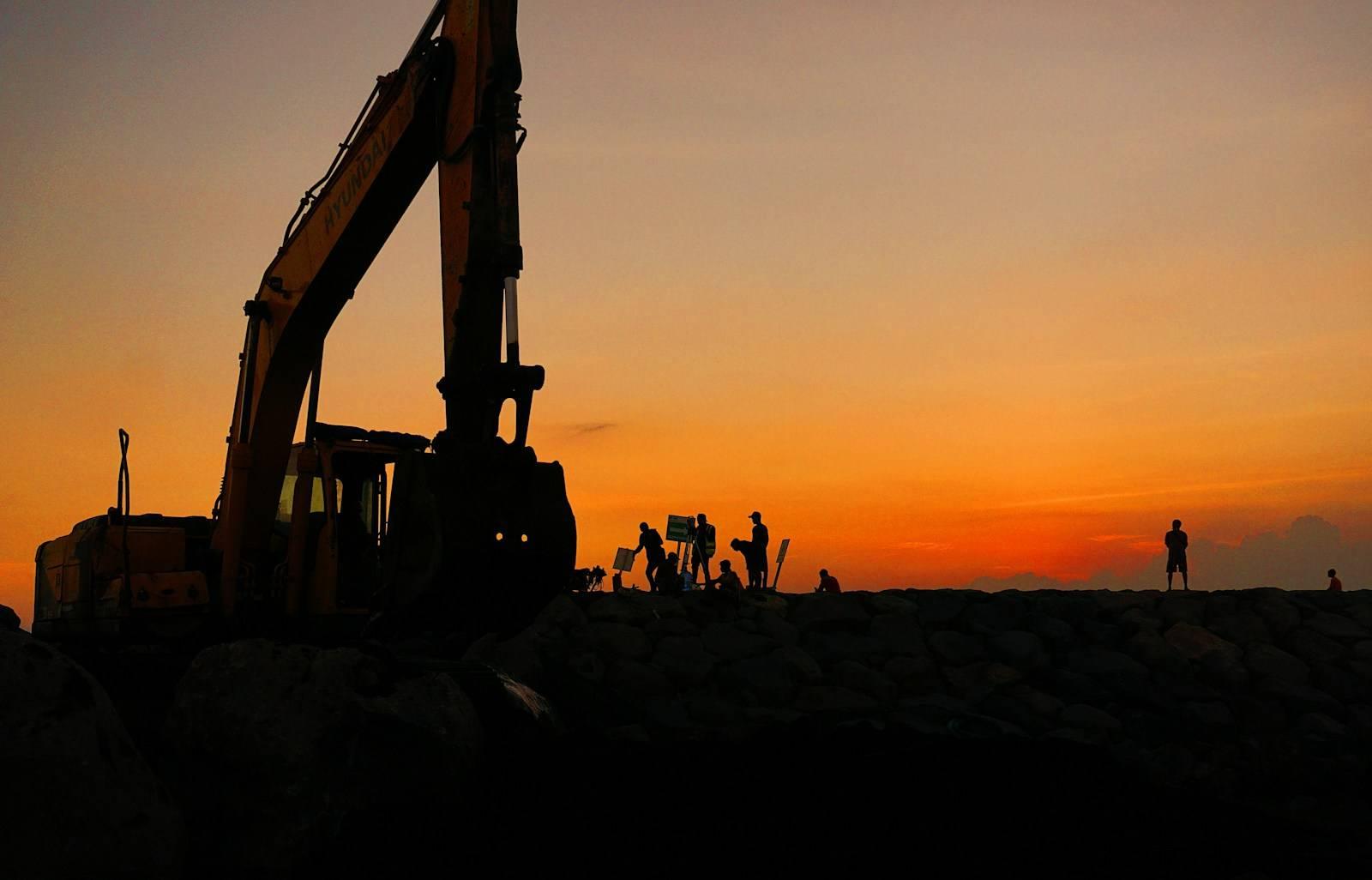
Phase 3: Port clearance and site deployment
Step 5: Clearing Freetown port without delays
When the ship docks at Queen Elizabeth II Quay in Freetown, NIEVE (SL) LIMITED handles customs clearance, port release, and inland lowbed transport to the work region.
Machines left sitting at a port accumulate heavy daily demurrage fees. Having permanent local staff on the ground keeps clearance moving smoothly from dock to site.
Step 6: Placing the machine on a vetted site
Before your excavator begins digging, NIEV verifies that the site client holds valid NMA (National Minerals Agency, Sierra Leone’s mining regulator) permits and a reliable payment record.
Trained operators are assigned, fuel and site supervision are arranged, and the machine starts 12-hour daily shifts during the active dry season.
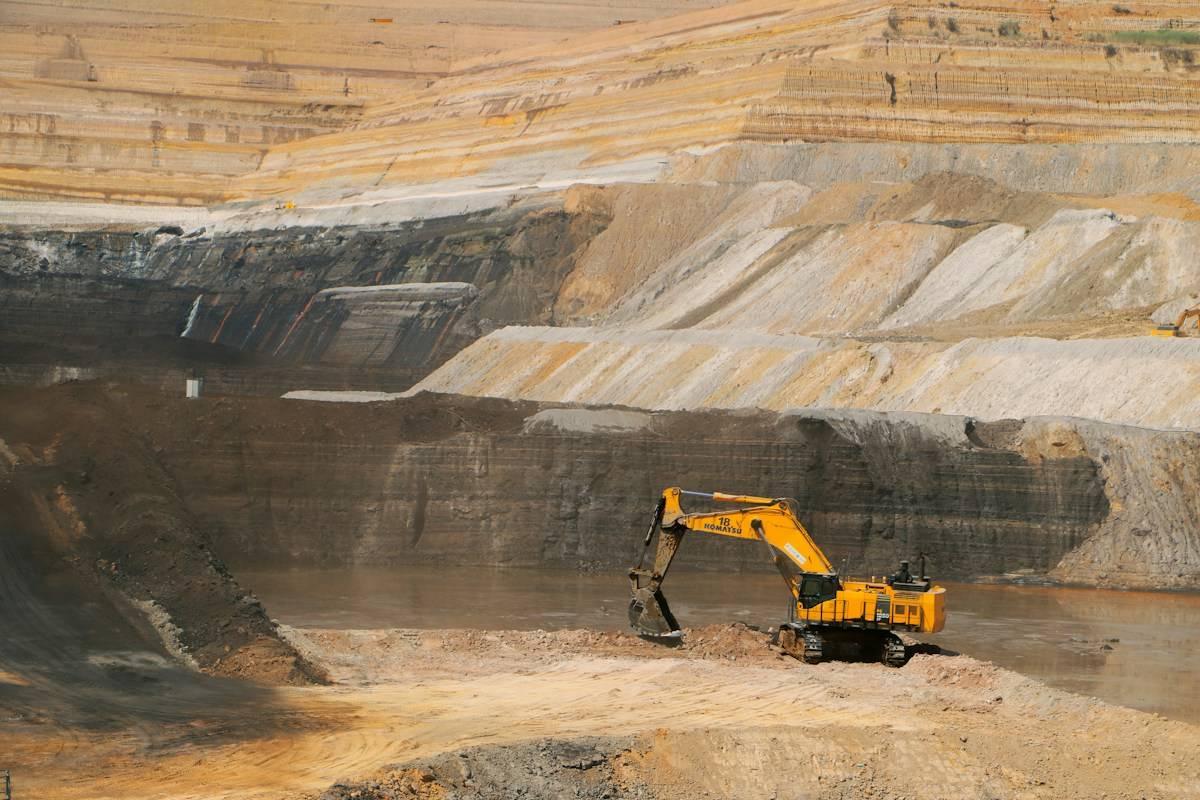
Phase 4: Maintenance, reporting, and monthly payouts
Step 7: Servicing every 175–200 hours
On site, NIEV’s mechanics in Makeni service the excavator every 175–200 working hours, roughly twice as often as standard factory intervals. Every oil swap, filter change, and inspection is recorded.
Preventive servicing protects your dry-season uptime and supports resale value at Year 4. See the full breakdown in how 175–200 hour servicing protects your machine.
Step 8: Monthly operating statement and net distribution
At the end of each active month, you receive a clear operating statement showing logged engine hours, gross collections, itemized site running costs, and your net distribution under the written MSA (Master Services Agreement, the contract defining NIEV’s operating role and revenue share).
To see how those monthly figures add up over a full year, read the real math behind one excavator in Sierra Leone.
Bottom line: You retain 100% legal title to the machine at every stage, while NIEV executes shipping, customs, site staffing, and workshop maintenance on the ground.
Reality checks before you commit
Cross-border machinery rental is an active operating business, not a fixed deposit. Vessel schedules, customs timing, and Sierra Leone’s 4-month rainy season all influence when billing starts and how many months a machine earns each year.
Heavy equipment is also a depreciating asset and capital is at risk. Before moving forward, review cross-border tax and Indian FEMA (Foreign Exchange Management Act) compliance with your own Chartered Accountant and legal advisor.
Review the full timeline on our How It Works page, or Book a Call to walk through the deployment schedule.
Common questions
Do I have to travel to Sierra Leone to start?
No. Registration, machine approval, and deployment can all be completed remotely from India or the UAE. However, the ₹7,50,000 setup package includes a 7-day hosted visit to Freetown and Makeni (you only cover airfare) if you prefer to inspect the workshops and active sites in person.
Who legally owns the excavator once it reaches Freetown?
Your own Sierra Leone LLC holds 100% legal title to the machine, with chassis numbers and import documents issued in your company's name. NIEV acts as your on-ground operating partner under a written agreement.
Can I send an excavator I already own in India?
Yes, provided the machine passes a mechanical inspection for West African working conditions. NIEV evaluates existing excavators and wheel loaders first to confirm whether export makes commercial sense.
Based on NIEV’s machinery rental information. All figures are illustrative, with a stated range of ±15–20%, and are not guaranteed. Heavy equipment is a depreciating asset and capital is at risk. This is not financial, legal or tax advice.