In harsh mining terrain, waiting for standard 300–400 hour factory service intervals invites expensive breakdowns. Servicing every 175–200 hours protects your hydraulic pumps, dry-season uptime, and Year-4 resale cheque.
Why factory service manuals fall short in mining pits
Every new excavator comes with an OEM (Original Equipment Manufacturer, the company that built the machine) manual recommending oil and filter changes every 300 to 400 working hours.
Those manuals assume clean diesel, mild weather, and light civil digging. Mining pits in West Africa are a completely different environment.
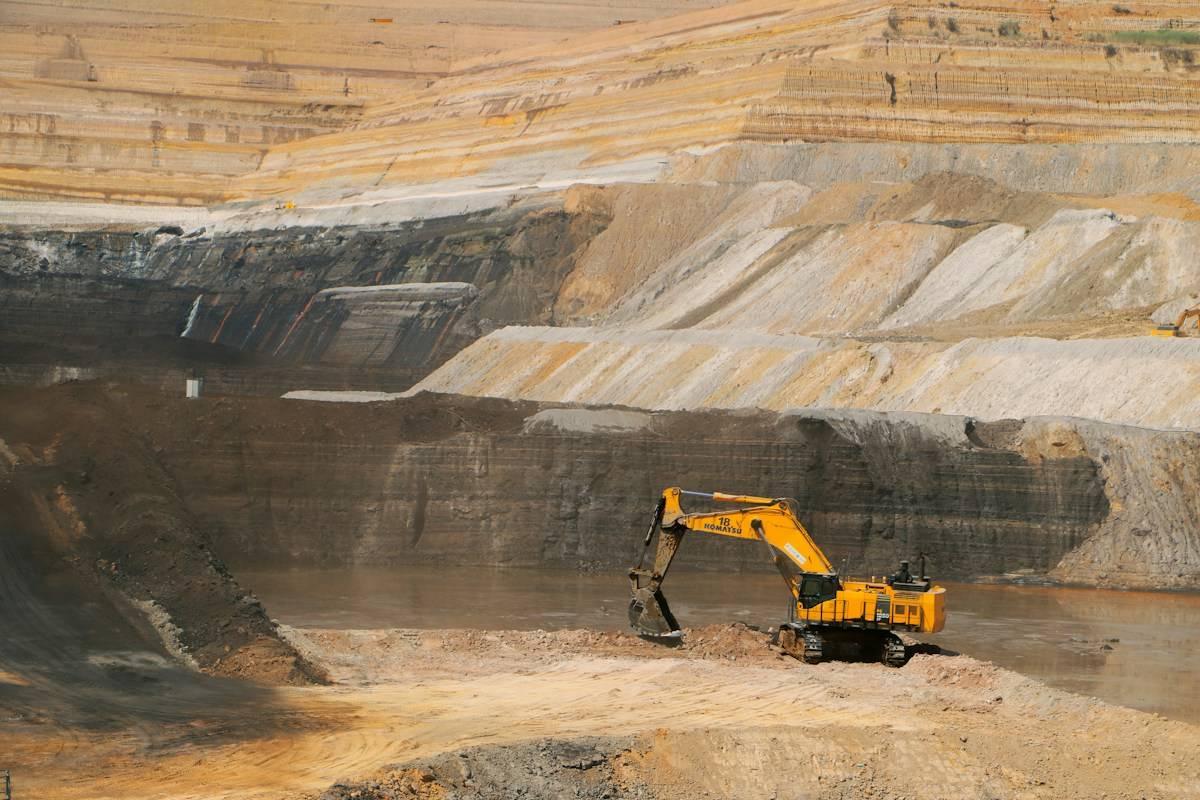
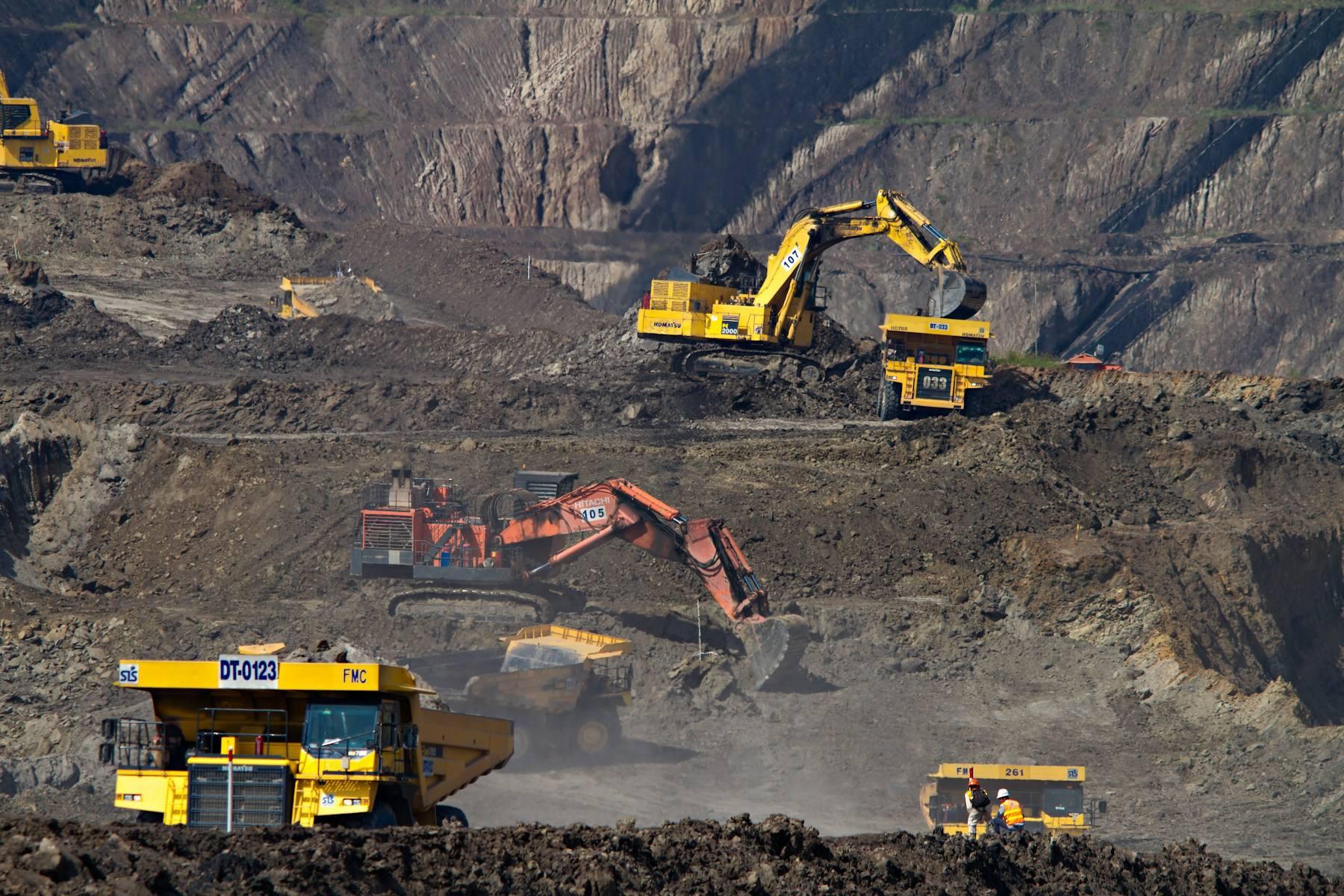
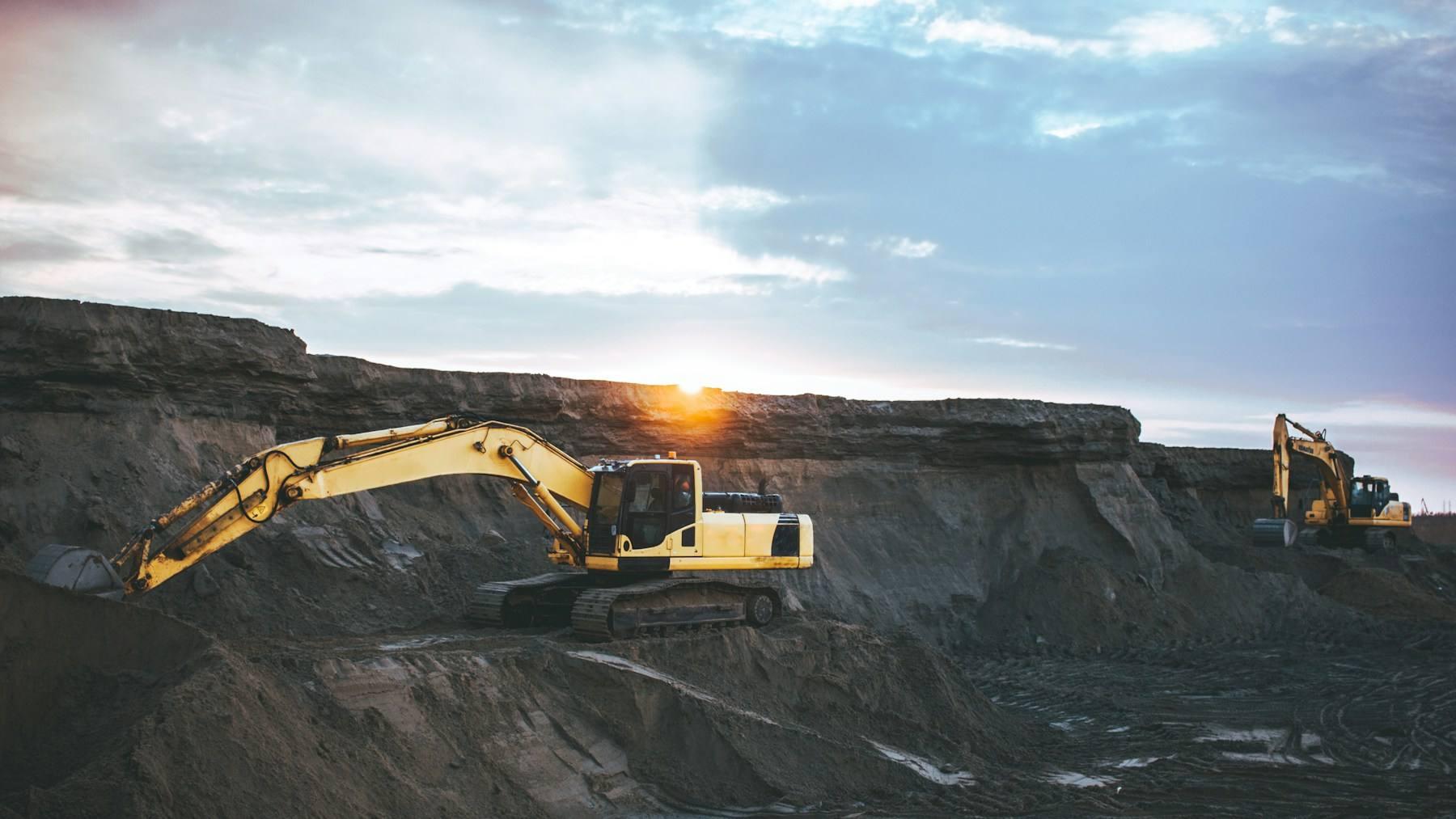
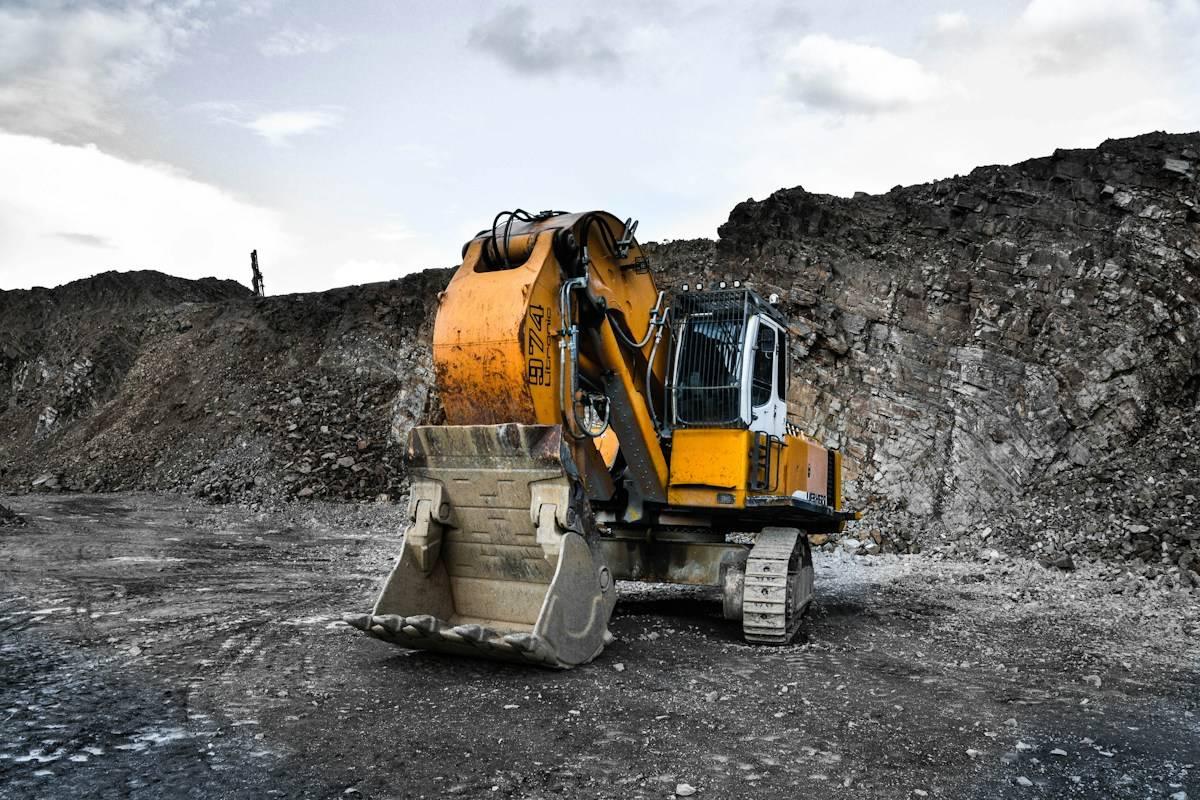
In Sierra Leone, excavators run 12-hour shifts through tropical heat, fine silica dust, and sticky lateritic soil (iron-rich red clay common in West Africa that clogs radiators and wears down undercarriages). Stretching maintenance to 400 hours in those conditions quietly destroys engines and hydraulics.
What one avoidable breakdown actually costs
Experienced Indian fleet owners already know that the mechanic’s bill is only half the damage. The bigger financial hit is dead time while a machine sits idle waiting for replacement parts.
Consider what happens if contaminated hydraulic oil ruins a hydraulic pump (the high-pressure heart of an excavator that powers the boom, arm, and bucket):
- Direct repair cost: A replacement pump and specialist labour in West Africa can exceed $15,000.
- Missed rental billing: Waiting 45 days for parts and fitting during peak dry season costs roughly ~$22,500 in lost billing (based on ~$15,000 per active month).
- Client churn: A mining contractor losing six weeks of production will quickly replace your machine with a competitor’s unit.
Spending proactively on clean filters, seals, and hydraulic fluid every 175–200 hours prevents tens of thousands of dollars in avoidable losses.
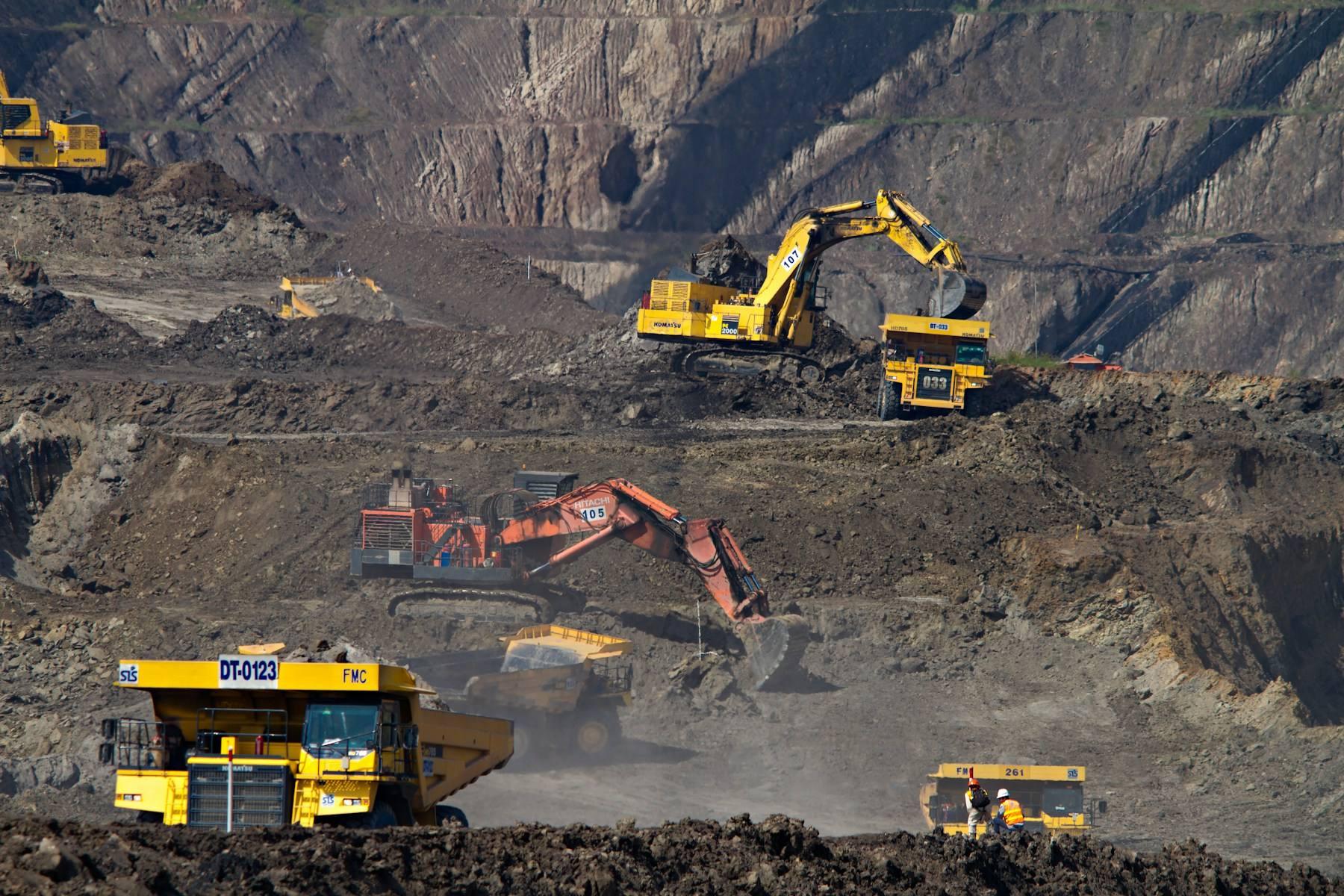
Standard OEM schedule vs. NIEV’s 175–200 hour discipline
Cutting the factory service interval nearly in half lets NIEV’s Makeni mechanics spot worn hoses, dirty fuel, and loose pins before they trigger major breakdowns.
| Maintenance Area | Standard OEM Schedule | NIEV Practice | Direct Impact on Your Wallet |
|---|---|---|---|
| Full service interval | 300–400 working hours | 175–200 working hours | Removes dust & moisture before wear spreads |
| Fuel & oil filtration | Standard swap cycle | Frequent filters + water checks | Protects injectors & hydraulic pumps |
| Undercarriage & pins | Periodic inspection | Daily greasing & tension checks | Extends track & bushing life in abrasive mud |
| Major overhauls | Often reactive after failure | Planned during 4 rainy months | Keeps all 8 dry months focused on billing |
Key takeaway: An excavator only earns money while its engine is turning on a paid site. Halving service intervals is the cheapest insurance you can buy for monthly cash flow.
How service logs protect your Year-4 resale cheque
Over four active dry seasons, a working excavator clocks roughly 10,000 hours. At that point, maintenance history decides whether you sell a healthy asset or a tired shell.
A neglected machine at 10,000 hours has weak hydraulics, cracked booms, and worn final drives. Local buyers price it like scrap.
A machine backed by complete 175–200 hour service records commands strong buyer confidence in Sierra Leone’s secondary market. That documented care supports an illustrative Year-4 resale value of around ~₹25,00,000, or gives you the option to overhaul the machine for a second earning cycle.
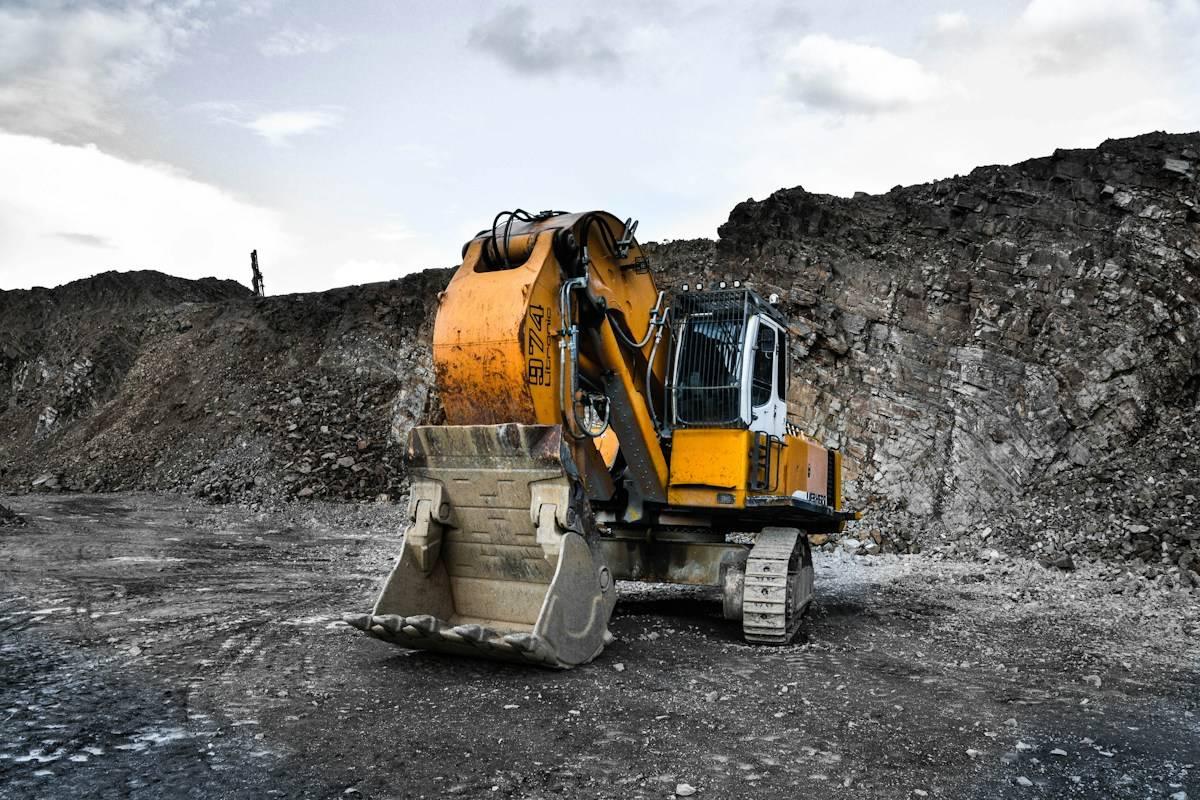
How you track every service from India
Every 175–200 hour service is logged with hour-meter readings, replaced consumables, and workshop notes inside your monthly operating statement. You can audit both working hours and maintenance discipline without guessing.
To see how uptime flows directly into yearly owner proceeds, read the real math behind one excavator in Sierra Leone, or visit How It Works to see NIEV’s on-ground workshop structure.
Common questions
Does servicing twice as often reduce my monthly net income?
Routine filters, oils, and preventive checks are already budgeted inside the illustrative ~$3,000/month site running cost. Compared to a single $15,000+ hydraulic pump failure and weeks of lost rental billing, frequent servicing saves far more than it costs.
Where do spare parts come from when a site is far from Freetown?
NIEV's operational hub in Makeni stocks high-wear consumables locally, including hydraulic hoses, seal kits, filters, and bucket teeth. Mobile mechanics can reach active sites quickly instead of waiting weeks for overseas air freight.
Can preventive maintenance eliminate breakdowns completely?
No maintenance schedule can promise zero mechanical issues in heavy mining work. However, 175–200 hour servicing sharply lowers the risk of sudden major failures and keeps routine repairs short and predictable.
Based on NIEV’s machinery rental information. All figures are illustrative, with a stated range of ±15–20%, and are not guaranteed. Heavy equipment is a depreciating asset and capital is at risk. This is not financial, legal or tax advice.