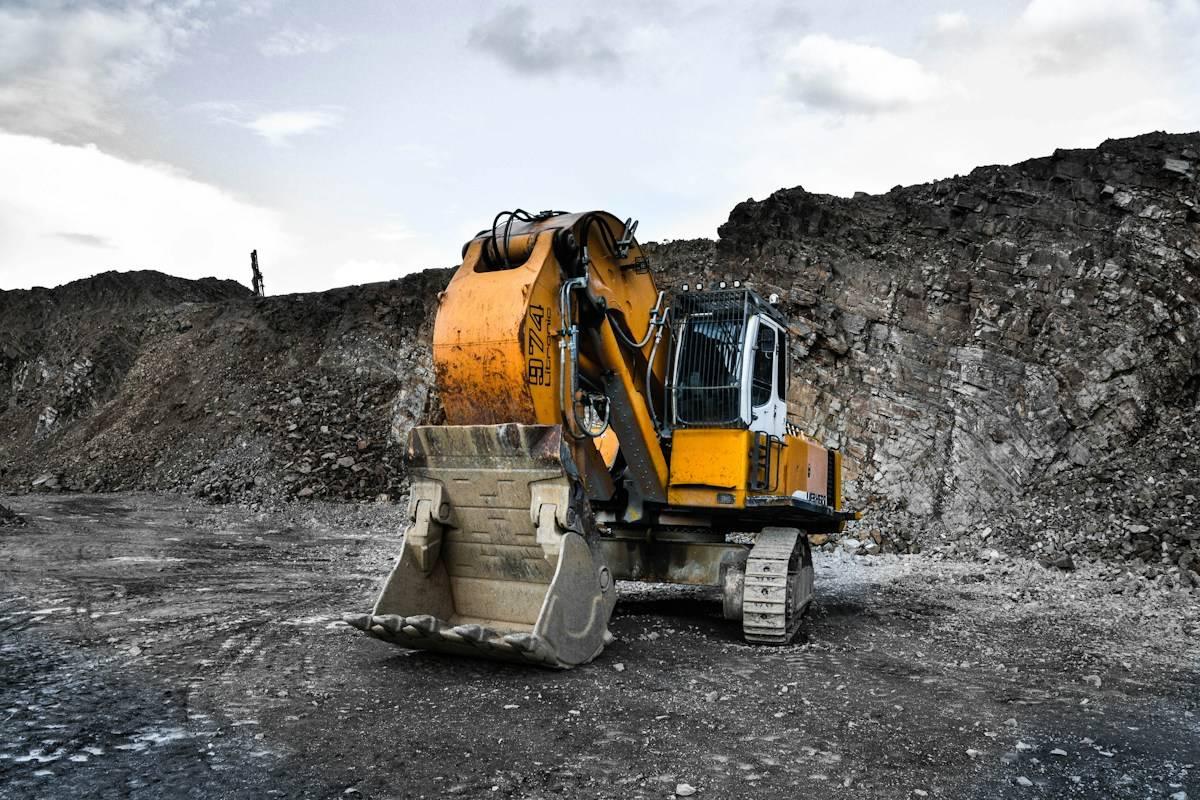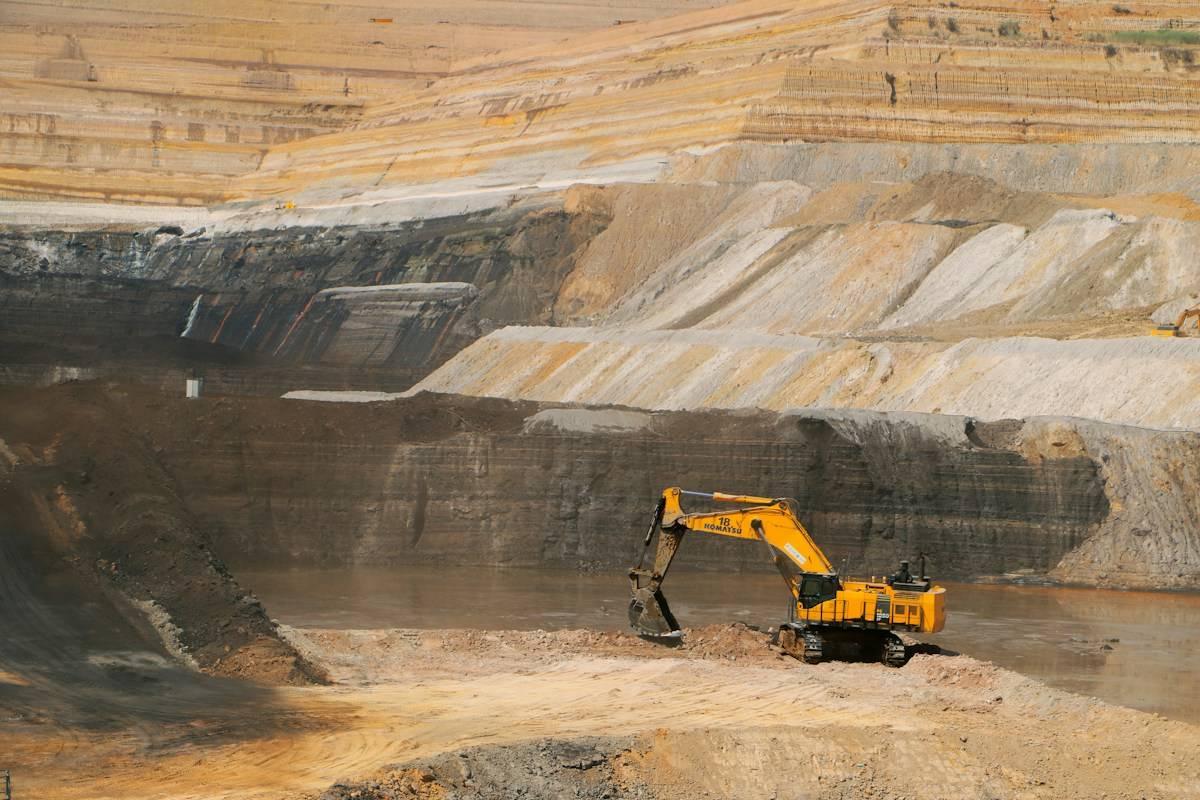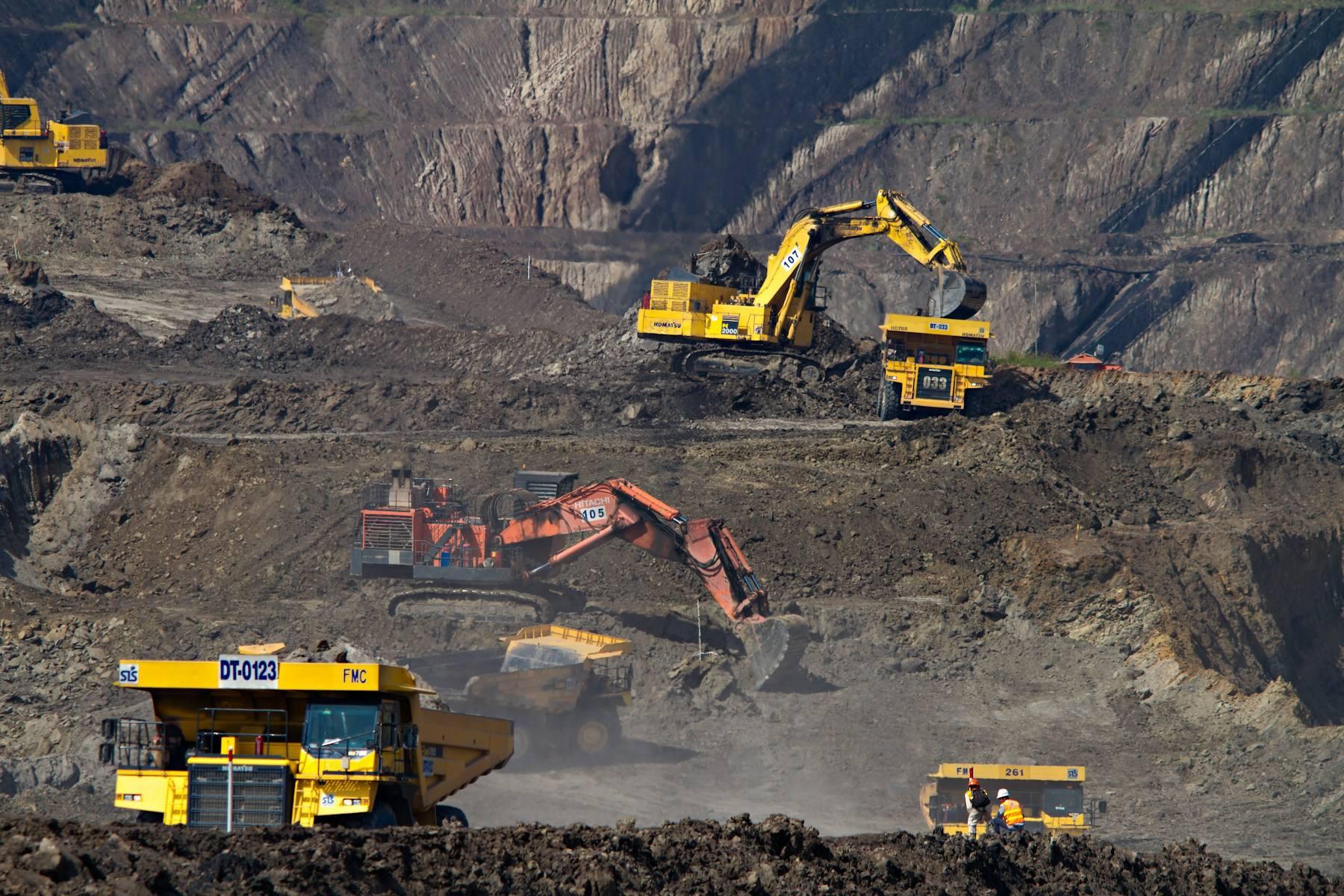
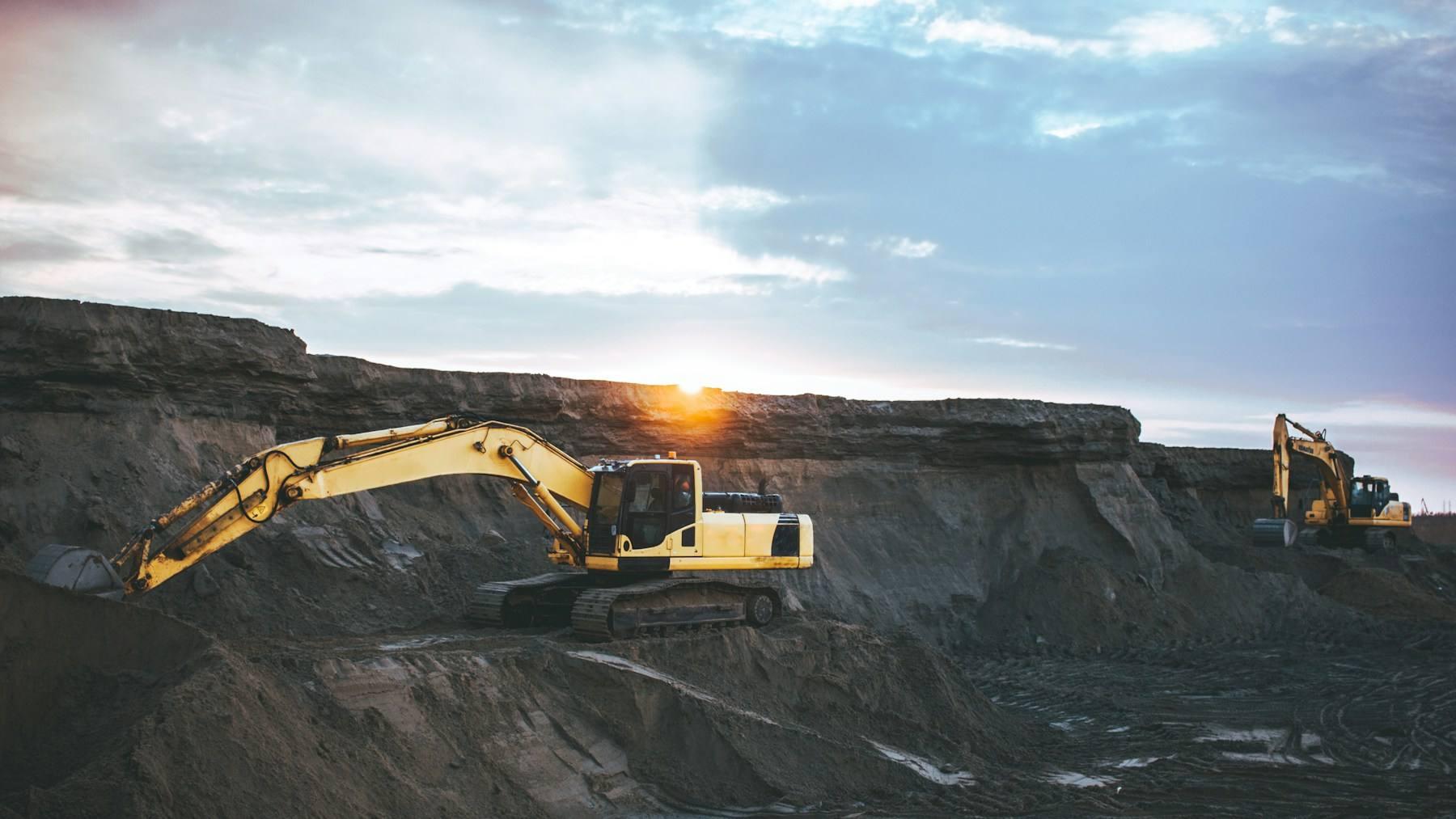
Before committing capital to heavy equipment abroad, you need straightforward numbers instead of sales promises. Here is the line-by-line breakdown of machine cost, monthly billing, site expenses, and realistic annual ranges.
One machine, one clear ledger
Every serious investor asks the same three questions before buying heavy equipment: How much goes in? What does one active month actually generate? And what is left after real site costs and weather delays?
Here is the complete unit-economics snapshot from NIEV’s operating model for a single 20-ton excavator.
| Line Item | Illustrative Benchmark | Plain-English Context |
|---|---|---|
| Machine purchase | ~₹60,00,000 | 20-ton tracked excavator sourced in India |
| Local setup & registration | ₹7,50,000 | Sierra Leone LLC, IEC & 7-day hosted site visit |
| Gross monthly billing | ~$15,000 / active month | 12-hour daily shifts across ~24 working days |
| Monthly site running costs | ~$3,000 / active month | Operator wages, filters, lubricants & site support |
| Net monthly operating pool | ~$12,000 / active month | Pool before MSA management split |
| Active working calendar | 8 of 12 months | Excludes Sierra Leone’s 4-month rainy season |
| Illustrative annual owner proceeds | ~$75,000 / year | Post-MSA split, with a stated ±15–20% range |
To see how the upfront steps work in sequence, read from consultation to first payout.
How one active month works on site
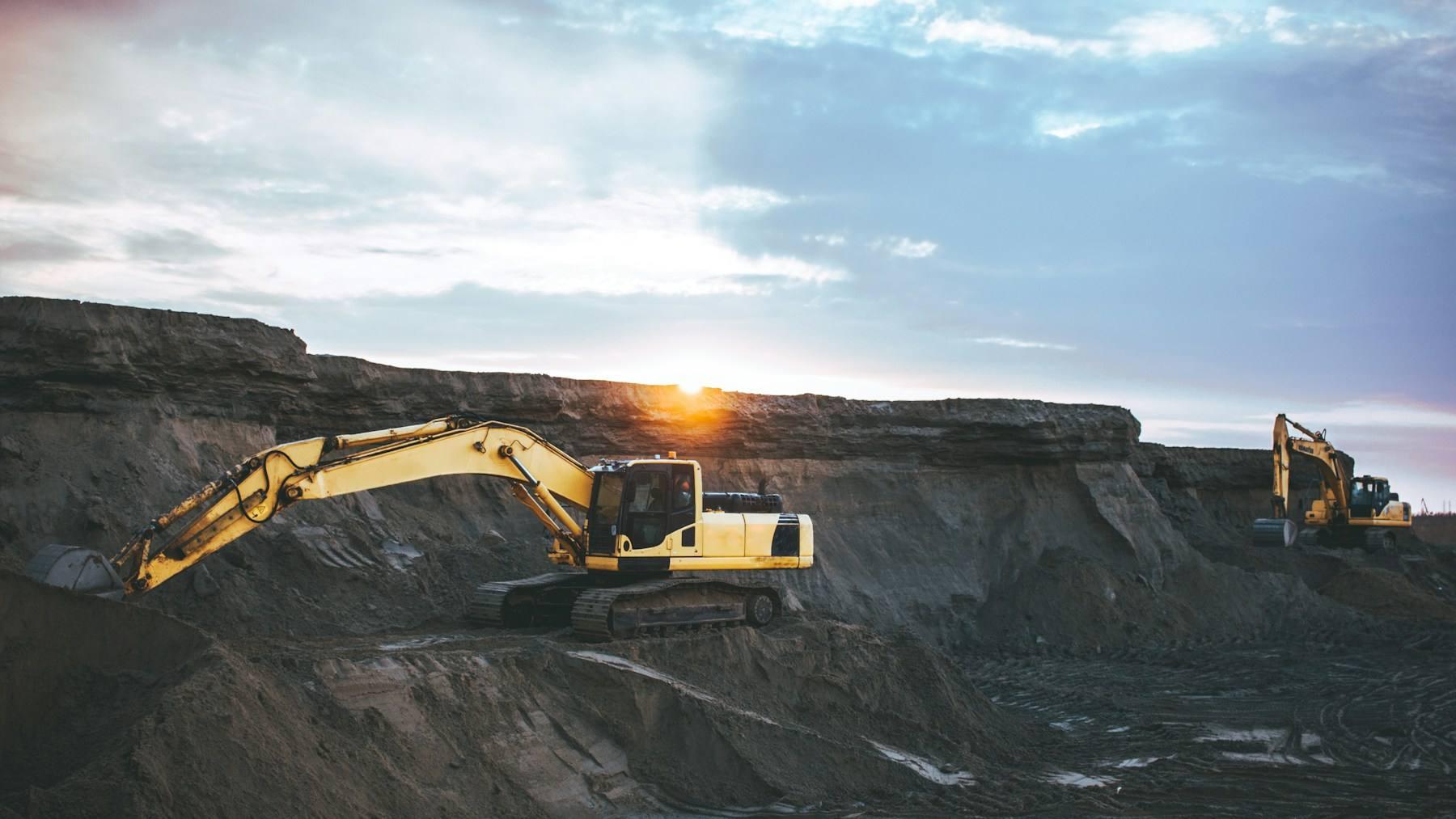
During Sierra Leone’s dry season, mines and road builders run earthmoving equipment hard. A normal working schedule is 12 hours a day for roughly 24 days a month.
From ~$15,000 in USD-benchmarked gross monthly billing, roughly $3,000 covers active site costs such as trained operator pay, routine consumables, lubricants, filters, and local field support. That leaves an illustrative net operating pool of ~$12,000 per active month before the management share set out in your written MSA (Master Services Agreement, the contract defining NIEV’s operating responsibilities and revenue split).
Why the model budgets for 8 months, not 12
Any projection in West Africa that promises 12 full months of continuous excavation is ignoring the weather.
Sierra Leone experiences heavy monsoon rains for roughly 4 months every year. Open-pit haul roads turn soft, mining pits fill with water, and heavy earthmoving pauses across most sites.
NIEV deliberately builds its annual model on 8 active months. The 4 rainy months are used for workshop overhauls and preventive repairs so your excavator enters the next dry season ready to bill without interruption.
Stress-testing the annual numbers (±15–20%)
Real field operations never follow a flat spreadsheet line. Across 8 active months, the net operating pool totals roughly $96,000 (8 × ~$12,000), leaving illustrative annual owner proceeds around ~$75,000 after the MSA split.
Because site hours, weather timing, and repairs vary from year to year, NIEV applies a ±15–20% sensitivity range. Always evaluate the conservative column first.
| Scenario | Field Conditions | Illustrative Gross Pool (Annual) | Illustrative Owner Proceeds (Annual) |
|---|---|---|---|
| Conservative (-20%) | Extra rain delays or lower site hours | ~$96,000 | ~$60,000 |
| Base model | ~8 active months, ~24 working days/mo | ~$120,000 | ~$75,000 |
| Stronger (+15%) | High dry-season demand & strong uptime | ~$138,000 | ~$86,250 |
Key rule for buyers: Judge a machinery business on its conservative case, not its best month. Steady uptime across 8 active months is what protects your annual cash flow.
Your Year-4 exit and resale value
Monthly rental distributions are only part of the wealth picture. Because legal title stays in your Sierra Leone LLC, you still own the physical excavator after four working seasons.
When a machine is serviced every 175–200 hours, it reaches 10,000 working hours with sound hydraulics and documented workshop logs. In Sierra Leone’s active secondary market, a well-maintained 4-year-old unit carries an illustrative residual resale value of around ~₹25,00,000. You can cash out locally, overhaul the machine for another working cycle, or re-export it regionally.
Read how maintenance intervals directly protect that exit price in how 175–200 hour servicing protects your machine.
Four real risks that can move your numbers
Every figure on this page is illustrative and not guaranteed. Four real-world factors affect actual performance:
- Utilisation gaps: Early rains or a client pausing site work can reduce billable hours until the machine is redeployed.
- Unplanned breakdowns: Major hydraulic or engine failures cost both replacement parts and lost billing days.
- Currency and repatriation: Site contracts are USD-benchmarked, while moving funds home involves formal banking channels, Sierra Leone taxes, and Indian RBI/FEMA (Reserve Bank of India / Foreign Exchange Management Act) compliance.
- Asset depreciation: Heavy machinery loses market value with age and hours, and resale prices depend on local buyer demand at exit.
Explore the year-by-year calculator on our Returns page, compare management structures on Models, or Book a Call to review a sensitivity sheet with your Chartered Accountant.
Common questions
Are the ~$75,000 annual figures guaranteed?
No. All numbers are illustrative benchmarks from NIEV's operating model with a stated ±15–20% range. Actual results depend on site utilisation, weather, maintenance, and client payments. Heavy equipment is a depreciating asset and capital is at risk.
What happens to running costs during the 4 rainy months?
Active shift expenses such as daily consumables and heavy wear items drop sharply when the machine is parked for the monsoon. The wet season is used for planned workshop servicing so your machine starts the dry season in peak working condition.
How can I verify the hours and expenses each month?
Every month you receive an itemized operating statement detailing logged engine hours, active days, gross collections, and site expenses. You also hold the contractual right to station your own independent auditor on site if you want direct verification on the ground.
Based on NIEV’s machinery rental information. All figures are illustrative, with a stated range of ±15–20%, and are not guaranteed. Heavy equipment is a depreciating asset and capital is at risk. This is not financial, legal or tax advice.