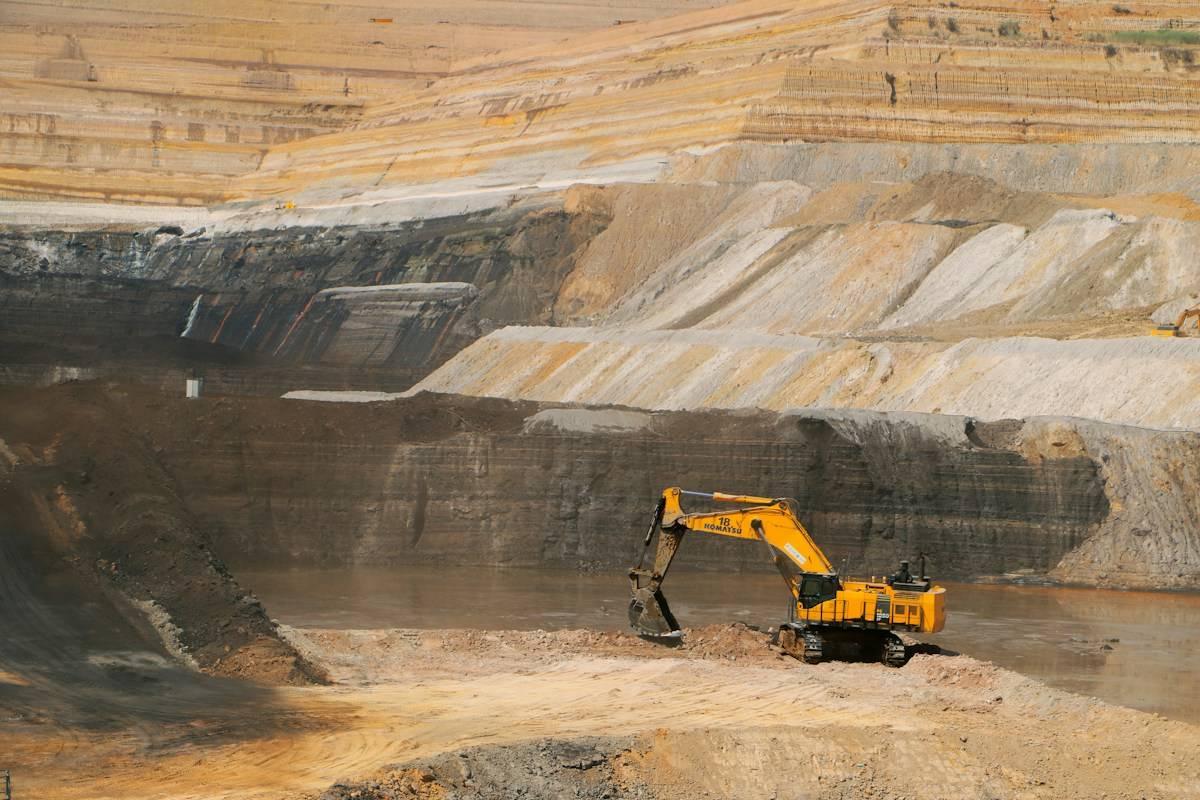
Why send an excavator to West Africa instead of running it in India? Sierra Leone’s mineral-led economy and severe shortage of dependable local equipment create steady rental demand that crowded domestic markets rarely offer.
Why look outside India at all?
If you already know the construction or earthmoving business in India, your first question is completely practical: Why ship an excavator to Sierra Leone when India is building highways everywhere?
The answer is simple supply and demand. Across India, domestic rental markets are crowded with operators fighting on thin margins, delayed contractor cheques, and aggressive price cuts.
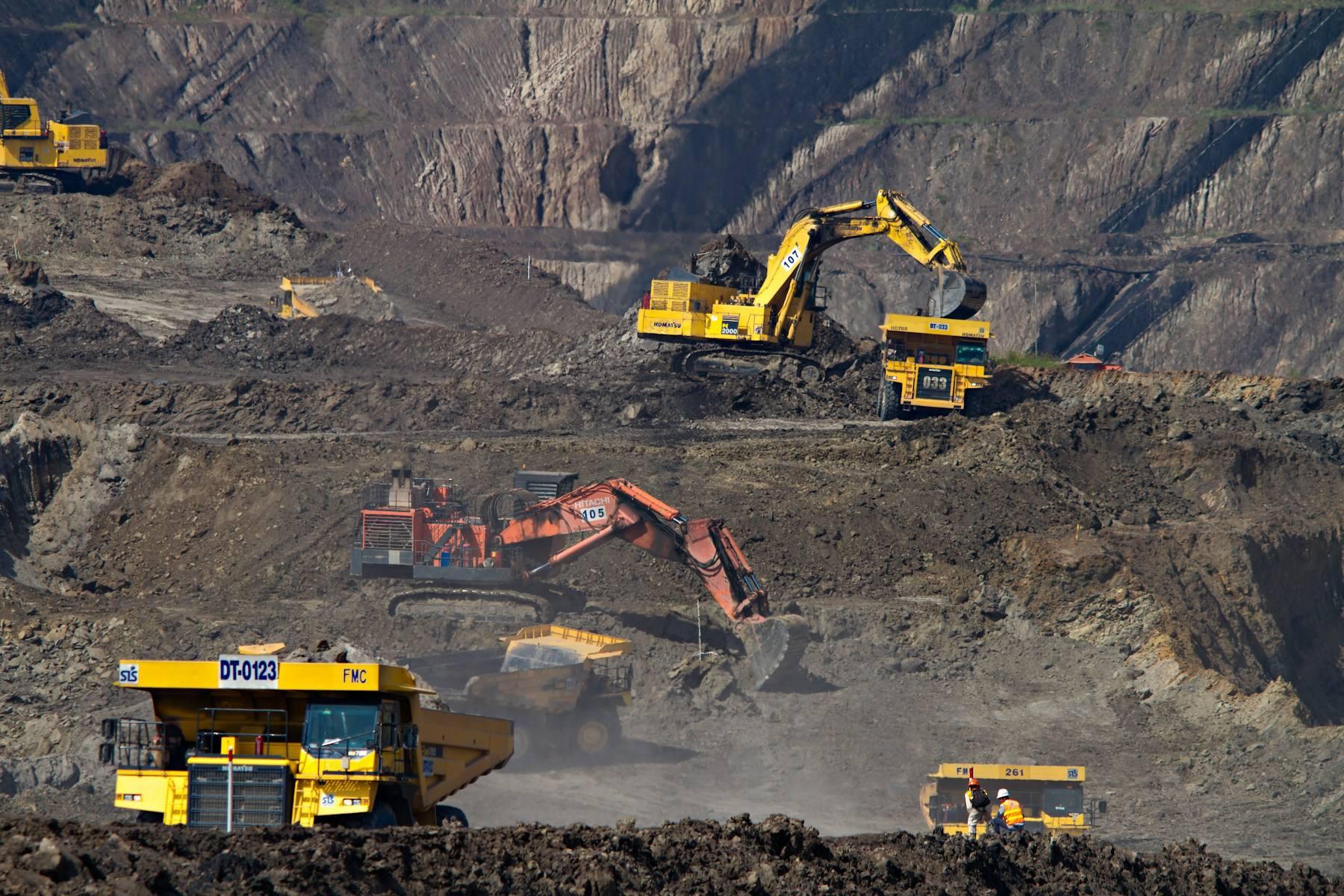
Sierra Leone faces the opposite problem. The country has heavy, urgent earthmoving demand across mining and civil construction, yet a very thin local supply of reliable, well-maintained machinery.
Two structural engines of machinery demand
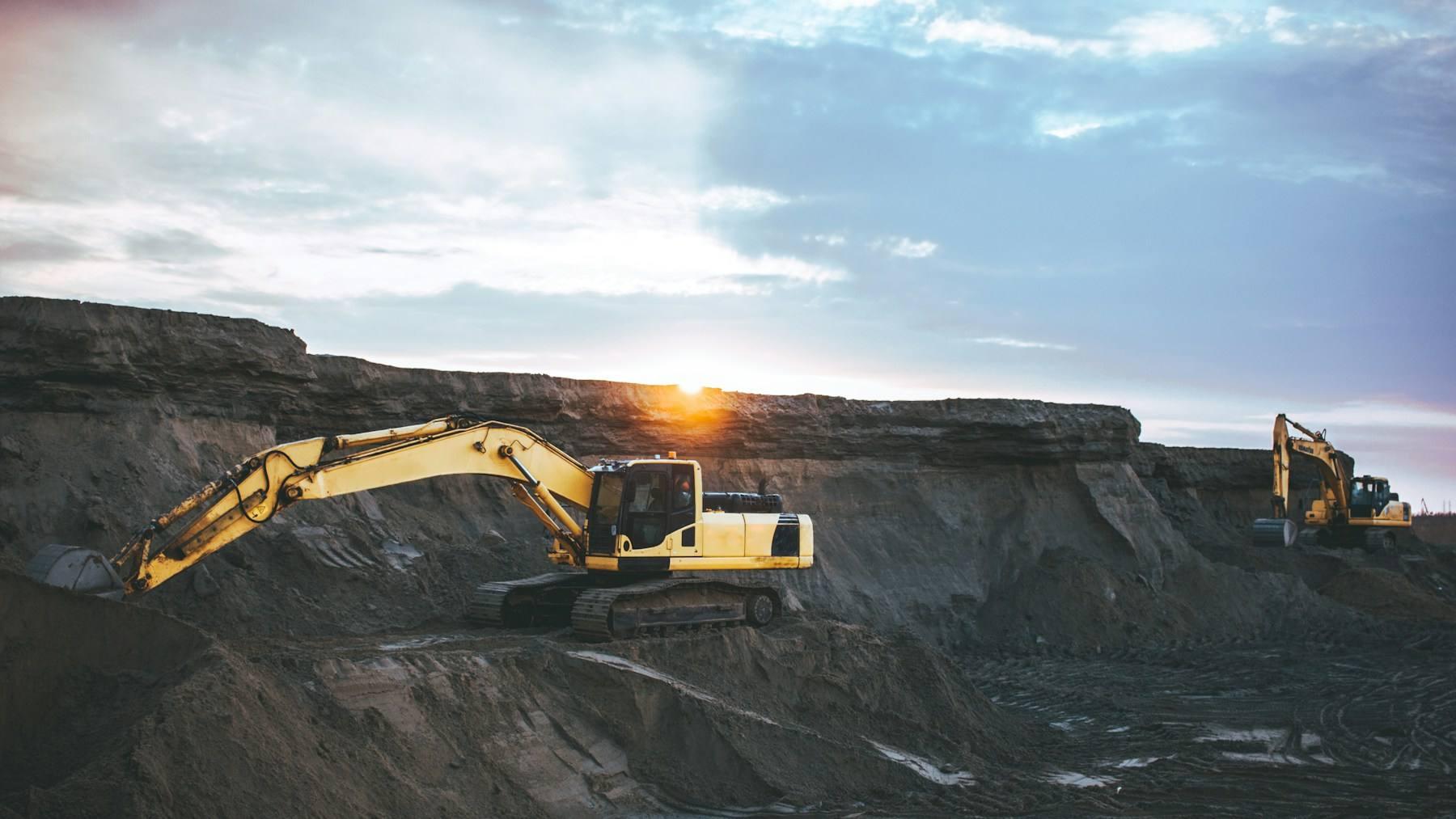
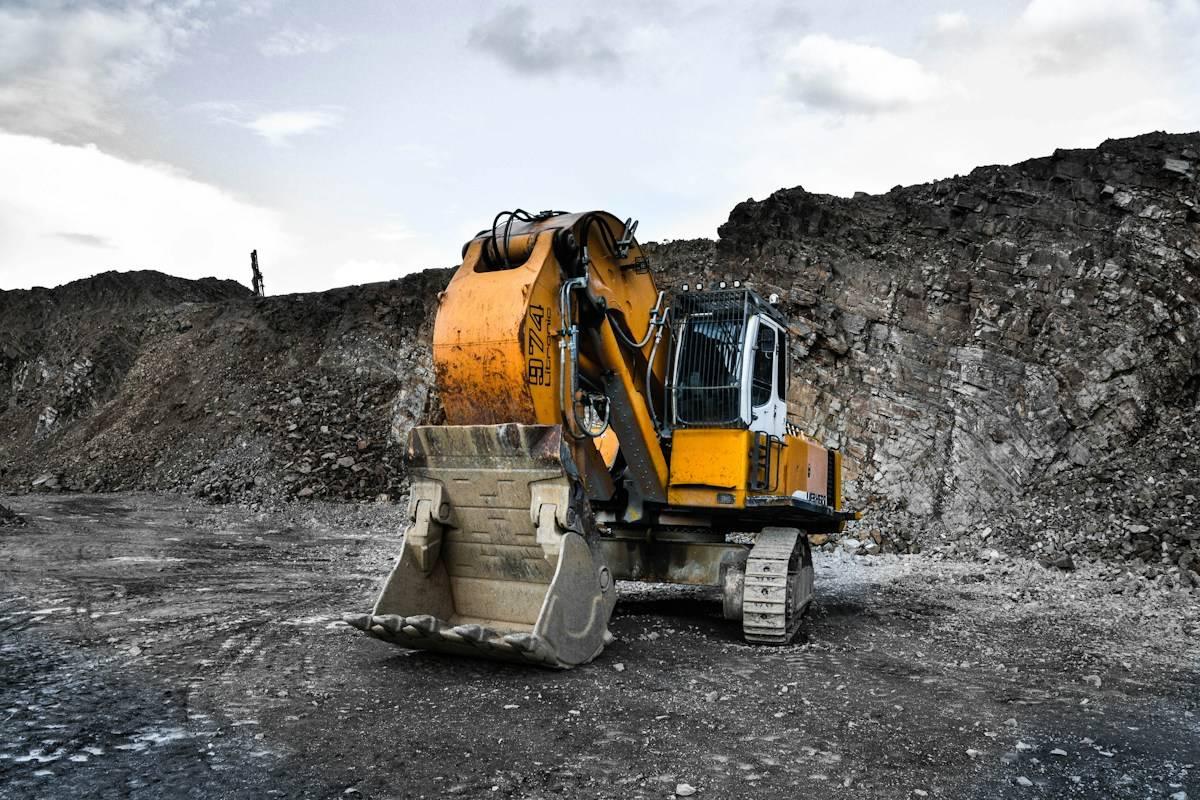
Demand in Sierra Leone is not driven by speculation. It comes from two physical sectors that cannot move forward without excavators, wheel loaders, and haul trucks.
| Demand Sector | Verified Market Reality | Machines Required Daily |
|---|---|---|
| Large & small mines | Excavators, wheel loaders, haul trucks | |
| Multi-mineral sites | Gold, iron ore, natural rutile, bauxite & stone quarries | 20-ton excavators, rock breakers, loaders |
| National road network | Less than 10% of ~11,400 km of roads are paved | Excavators, graders, tippers |
| Port & urban expansion | Freetown logistics corridors, bridges & civil works | Earthmovers & site-preparation fleets |
1. A multi-mineral export economy
According to IMF and national trade figures, mining generates roughly 80% of Sierra Leone’s goods exports, reaching approximately $1.12 billion in 2024 alongside +4.5% to +4.7% GDP growth projections. As of June 2024, the country had 21 active large-scale mining licences, plus widespread licensed small-scale and quarry operations.
Crucially, equipment demand is not tied to gold alone. Iron ore, natural rutile, bauxite, diamonds, and crushed-stone quarries all require continuous stripping of overburden (the top layer of soil and rock removed to reach mineral ore) and material loading.
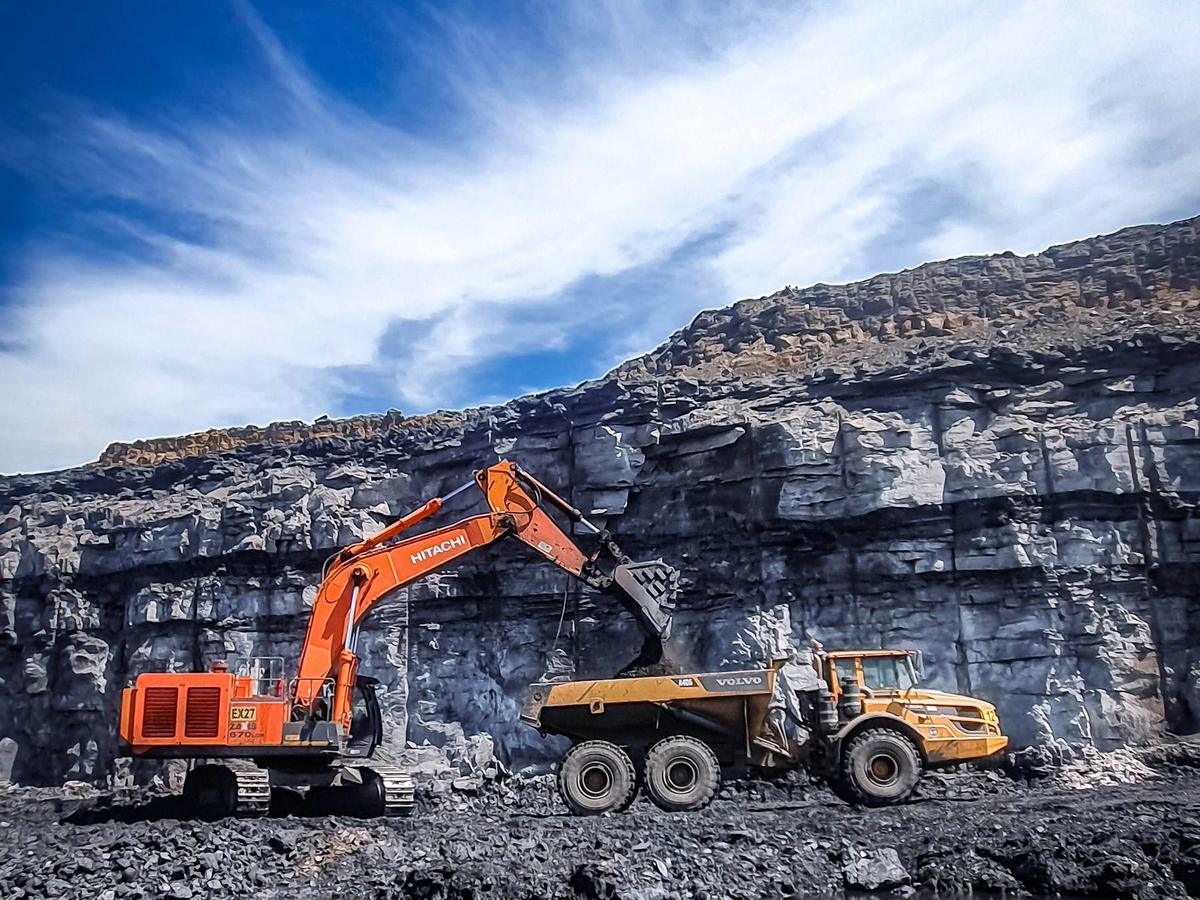
2. An urgent road and infrastructure deficit
Outside mining pits, Sierra Leone has a major civil construction backlog. Out of roughly 11,400 km of national roads, less than 10% are paved.
Upgrading highway corridors, feeder roads, bridges, and port access around Freetown creates long-duration civil earthmoving contracts alongside mining work.
Why local contractors rent instead of buying
A natural follow-up question is why Sierra Leonean mine leaseholders and road contractors do not simply import their own machines.
For a local contractor racing against an 8-month dry season, importing a machine means tying up upfront foreign currency, waiting months for sea freight and port clearance, hiring payroll mechanics, and stocking spare parts.
Renting a locally stationed, maintained excavator from NIEVE (SL) LIMITED lets contractors mobilize immediately and pay only for working shifts. That operational bottleneck is what gives Indian-owned machines deployed through NIEV strong dry-season utilisation.
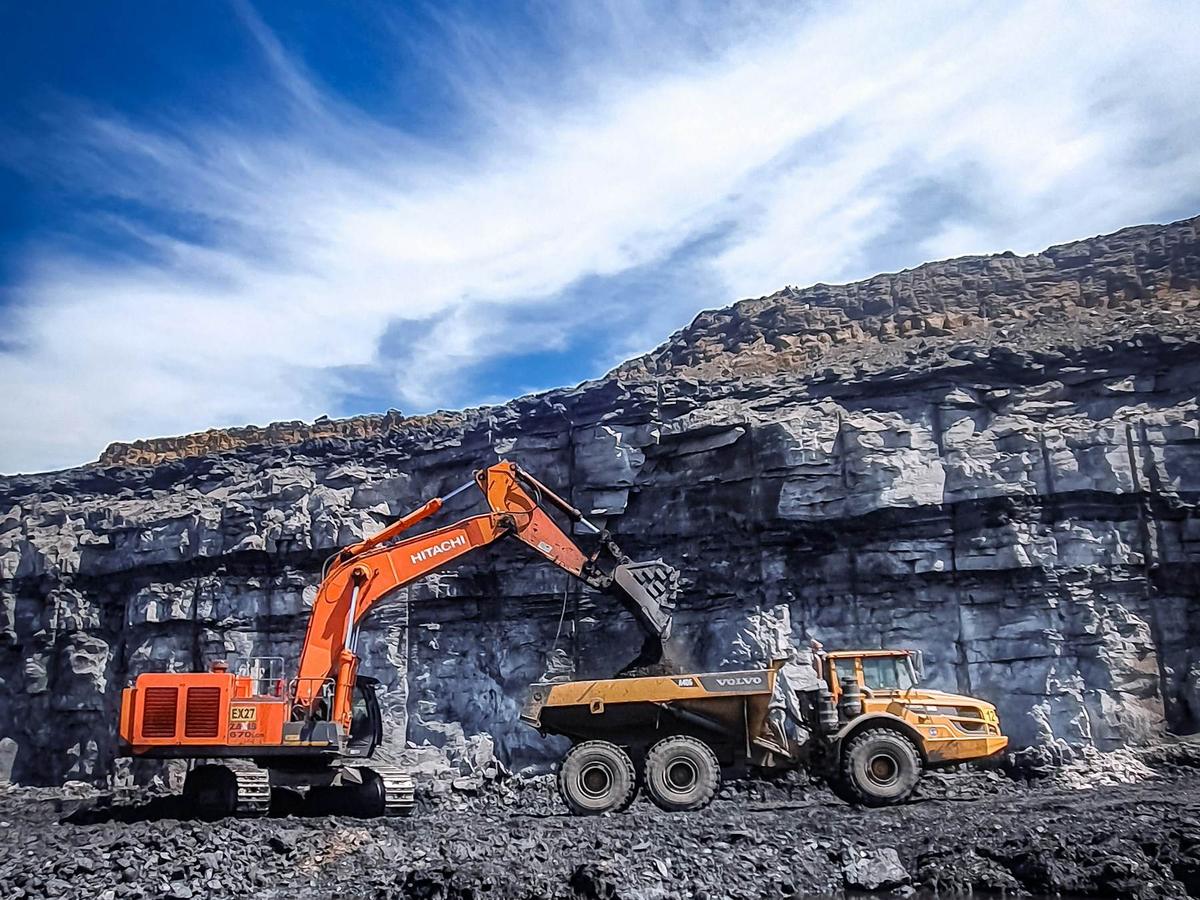
Key takeaway: Machinery demand in Sierra Leone is backed by real physical work (moving rock, ore, and road earth) in a market where dependable local fleets are scarce.
Balanced view: real frontier-market constraints
Strong demand does not remove operational risk. Sierra Leone is a frontier economy with a 4-month rainy season that slows open-pit digging, strict NMA (National Minerals Agency) and EPA (Environment Protection Agency) permitting rules, and local currency volatility.
That is why NIEV vets every site client’s regulatory permits before deployment, benchmarks rental contracts in USD, and builds annual models around 8 active working months rather than 12.
Explore more market fundamentals on our Why Sierra Leone page, review the real math behind one excavator, or Book a Call to discuss current site demand.
Common questions
Is machinery demand tied only to gold prices?
No. While alluvial gold is an active sector (and NIEV operates its own concessions), machinery demand in Sierra Leone also comes from iron ore, rutile, bauxite, stone quarries, and national road and port construction.
What happens if a mining client pauses work mid-season?
Because NIEV serves multiple mining and civil contractors, and also operates its own mining concessions, idle machines can be redeployed to active work rather than sitting parked for the remainder of the dry season.
Why source the excavator from India?
India has a competitive manufacturing and resale market for heavy earthmoving machinery, allowing buyers to acquire proven 20-ton excavators at a lower capital outlay (~₹60,00,000) than importing from Europe or North America.
Based on NIEV’s machinery rental information. All figures are illustrative, with a stated range of ±15–20%, and are not guaranteed. Heavy equipment is a depreciating asset and capital is at risk. This is not financial, legal or tax advice.